

RanginakReading Time: 3 min
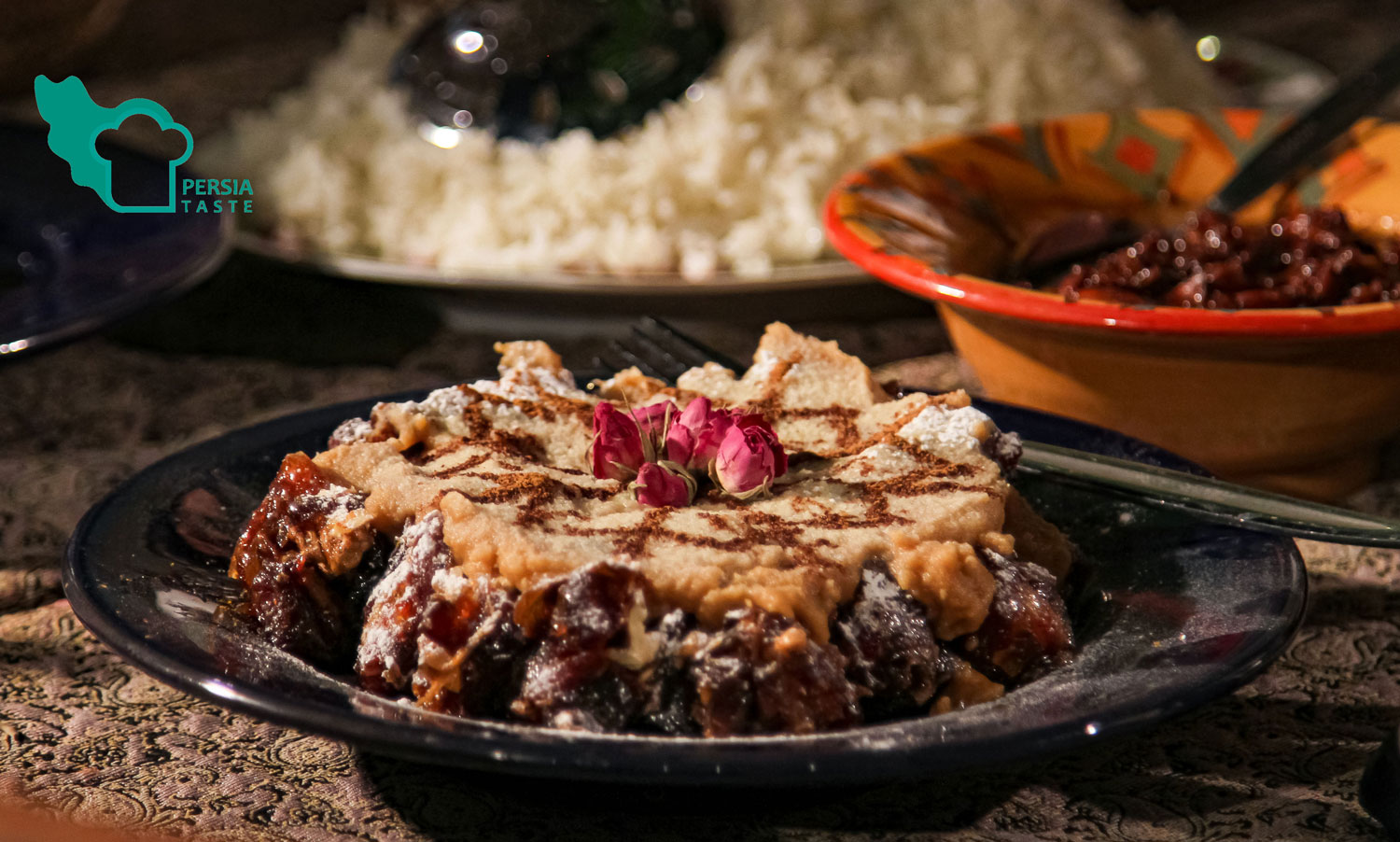
History of Ranginak:
The main ingredient of Ranginak is date. Iran is among the leading countries, producing dates, or as it is called in Persian khorma. The date palm has been cultivated in Iran since ancient times. Nowadays, the date is considered as the chief product in the southern parts of the country due to their arid and desert lands. For Iranian people specifically for southern ones, the palm tree is more than just a tree, it is considered a sacred plant and highly regarded. In the Persian language, the counting unit for the palm tree is “Nafar” or as its English equivalent “person”, sufficient proof of the superior status of this tree among Iranian people. As a result, it is no wonder that date, the fruit of this imposing tree is irreplaceable in Persian cuisine and diet. The Date has found its way into a variety of Persian cuisines, from desserts to the main course, for instance, Khorma polo (Date rice). Iranians eat Khorma (date) throughout the year, however, on some occasions such as Muharram, Ramadan, mourning ceremonies, and death anniversaries, having date remains an unwritten rule. In Iran, there is an aesthetic tradition, called Kheyrat (charitable deed) the idea behind this custom is to remember the deceased. Iranians visit cemeteries on Thursday evenings (in Persian called Shab e jomeh), on this day it’s relatively common for people to distribute dates in memory and honor of their beloved ones who have passed away.
After getting familiar with the significance of the date among people, it’s time to gain knowledge regarding one of the tempting desserts made by date. Ranginak is a Persian date dessert, which has different recipes according to the region it’s prepared, for example, Shirazi, Bushehri, Kermani, etc.
Ranginak is highly rich in nutrients and possesses dietetic values. Therefore, it can be a proper option for your breakfast, brunch or even as a healthy snack. Owing to its natural energy, the dessert has a special place in Iftar (a meal by which Muslims break their fasting). Moreover, for those people suffering from low blood pressure, Ranginak can be a superb choice.
In 2017 (1396 based on the Iranian calendar), the biggest Ranginak was made in Bushehr which brought a Guinness World Record for Iran.
As mentioned before, there are different types of Ranginak, here is the one that we are going to prepare:
Ingredients:
Wheat flour (all-purpose flour): 400 gr
Pitted Date: 400 gr
Toasted Walnut: 110 gr
Cinnamon powder: 1 tablespoon
Grated Pistachio: 1 tablespoon
Cardamom powder: 1 teaspoon
Oil or butter: as much as necessary
For garnish: Rose petals, shredded (grated) coconut
Method:
Step 1:
First of all stuff the dates with roasted walnut.
Step 2:
Now you need to toast the flour for a few minutes to get rid of the raw smell of flour. When done, add butter and stir constantly until it is golden brown and liquid. Avoid overcooking as it might taste bitter. When the mix is cooled down add cardamom and cinnamon.
Step3:
Spread half of the flour mix on the serving plate. Put the stuffed dates on them in a single layer. You can flatten them with pressure (optional). Pour the rest of the flour mix on top of the dates. Garnish it with rose petals and grated coconut (optional). Let it aside to cool and then serve it.